
How can Jacket Fashion look relaxed and stylish?How can Jacket Fashion look relaxed and stylish?
Looking relaxed and stylish at the same time is easier than many people think. The secret lies in choosing the right jacket, combining it with comfortable clothing, and paying attention to small details that make an outfit look complete. Jacket Fashion offers countless ways to express your personality while keeping your everyday appearance effortless, modern, and comfortable. Whether you prefer classic denim, sporty bomber jackets, elegant blazers, or cozy leather designs, the right combination can make a simple outfit look fashionable without requiring too much effort.
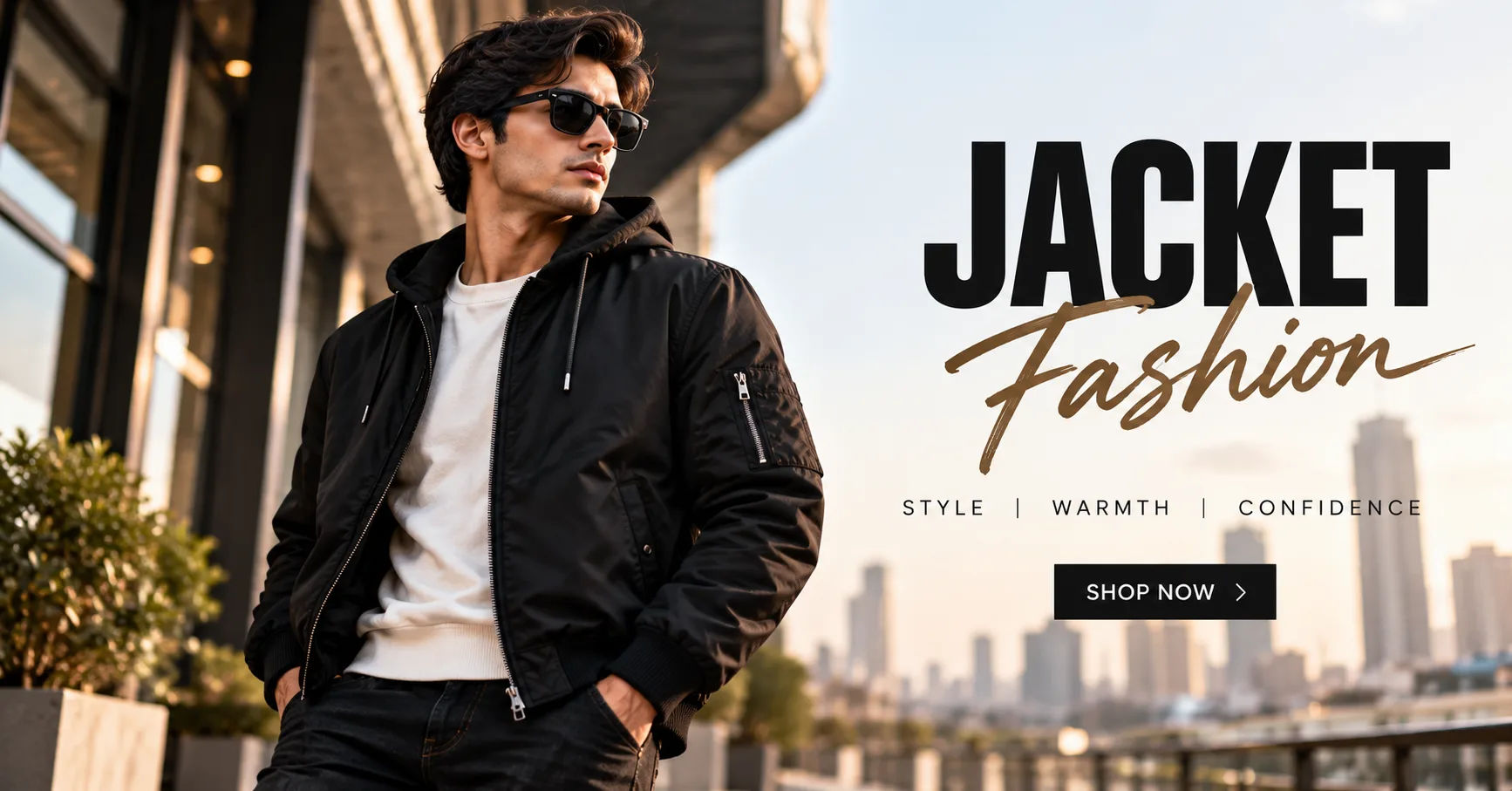
The best part about dressing well is that you do not need an expensive wardrobe or the latest designer pieces. A few versatile jackets, well-fitting clothes, and a clear understanding of colors and proportions can help you create many attractive outfits. The goal is not to look as though you spent hours getting dressed. Instead, you want your clothes to feel natural, suit your lifestyle, and give you confidence throughout the day.
In this comprehensive guide, you will discover practical ways to style jackets, choose suitable fabrics, coordinate colors, and create relaxed outfits for different occasions. You will also learn how to avoid common styling mistakes and make better use of the clothing you already own.
1. Choose a Jacket That Matches Your Personal Style
The Jacket Fashion house of errors creating a relaxed and stylish appearance is choosing a jacket that suits your personality. Different jacket styles create different impressions, so understanding their features can help you make better choices.
You should consider your daily activities, preferred clothing, local weather, and comfort needs before buying a new jacket. A jacket that looks attractive but feels uncomfortable will probably spend more time in your wardrobe than on your body.
Denim Jackets for Everyday Comfort
Denim jackets are excellent for people who want a casual, timeless appearance. They work well with T-shirts, casual shirts, chinos, jeans, and simple sneakers.
A light blue denim jacket creates a fresh daytime look, while darker denim offers a slightly more polished appearance. You can wear it over a white T-shirt and black jeans for an easy combination that works for shopping, meeting friends, or visiting a café.
For a relaxed fit, choose a jacket that allows you to move your arms comfortably without looking excessively oversized. The shoulders should sit naturally, and the sleeves should not cover most of your hands.
Bomber Jackets for a Modern Look
Bomber jackets are popular because they combine comfort with a clean, sporty design. Their shorter length and simple shape make them easy to style with everyday clothing.
A black, olive, or navy bomber jacket looks particularly attractive with neutral T-shirts and straight-leg trousers. You can also combine it with joggers and sneakers when you want a comfortable outfit for travel or a relaxed weekend.
Choose lightweight materials for warmer weather and padded versions for colder days. Keeping the rest of your outfit simple allows the jacket to become the main feature without making the overall appearance feel crowded.
Blazers for Smart Casual Outfits
A blazer is a useful option when you want to appear more refined without dressing formally. Unlike a traditional business suit jacket, an unstructured blazer often has softer shoulders and a more comfortable feel.
Wear a beige, navy, or charcoal blazer with a plain T-shirt, dark jeans, and loafers or clean sneakers. This combination is suitable for casual dinners, informal meetings, and social gatherings.
The key is to avoid making the outfit too formal. Comfortable fabrics, simple accessories, and relaxed trousers can balance the blazer's structured appearance.
2. Find the Right Fit for a Relaxed Appearance
Fit is one of the most important elements of a stylish outfit. Even an expensive jacket can look awkward if it is too tight, too long, or poorly proportioned.
A relaxed appearance does not mean wearing clothes that are several sizes too large. It means choosing pieces that allow movement while maintaining a balanced shape.
Understand the Difference Between Relaxed and Oversized
A relaxed-fit jacket usually provides extra room around the chest, waist, and arms without losing its general shape. An oversized jacket is intentionally larger and creates a more noticeable silhouette.
Both styles can look attractive when worn correctly. However, if you are new to experimenting with clothing, a relaxed fit is usually easier to combine with different outfits.
When choosing a jacket, check the shoulder seams, sleeve length, and overall length. You should be able to sit, walk, and raise your arms without feeling restricted.
Balance Your Jacket With the Rest of Your Outfit
Proportion matters when combining different clothing pieces. If you wear a bulky jacket, consider pairing it with straight-leg jeans or neatly fitted trousers. This creates balance without making the outfit feel too tight.
Similarly, a slim, lightweight jacket can work well with relaxed trousers or wider-leg jeans. The contrast creates visual interest while keeping the outfit comfortable.
Avoid making every piece extremely oversized unless you intentionally want a dramatic streetwear look. A little contrast between fitted and loose clothing usually produces a more natural result.
3. Use Colors That Are Easy to Combine
Color coordination can make dressing much simpler. You do not need to follow complicated fashion rules or purchase clothing in every possible shade.
Instead, begin with neutral colors that work together. Black, white, navy, beige, gray, brown, and olive are versatile choices because they can be combined in many different ways.
Build Outfits Around Neutral Jackets
A black jacket pairs easily with white T-shirts, gray sweatshirts, blue jeans, and dark trousers. It is especially useful when you want an outfit that looks clean and coordinated.
Navy jackets provide a softer alternative to black and look excellent with white, cream, light gray, and denim. Beige jackets work well with brown, white, olive, and navy.
Olive green jackets create a relaxed, outdoors-inspired appearance. Combine them with cream T-shirts, dark denim, or tan trousers for a balanced outfit.
Add Color Without Overdoing It
Once you feel comfortable wearing neutral combinations, introduce one brighter color through your jacket or another clothing item.
For example, a burgundy jacket can add personality to a simple gray outfit. A rust-colored jacket can create warmth during autumn, while a muted blue jacket provides a fresh alternative to traditional dark shades.
Try to limit the number of competing colors in one outfit. Two or three complementary shades are often enough to create an attractive appearance.
4. Layer Clothing Without Feeling Bulky
Layering allows you to adapt your outfit to changing temperatures while adding depth and personality. It is also one of the easiest ways to make simple clothing look more considered.
However, successful layering depends on selecting suitable fabrics and arranging clothing in the right order.
Start With a Comfortable Base Layer
Your base layer is the clothing closest to your body. A plain cotton T-shirt, lightweight long-sleeved shirt, or breathable polo shirt is a good starting point.
Choose a base layer that feels comfortable against your skin and does not bunch up under your jacket. Neutral colors are particularly useful because they work with many outer layers.
For colder days, a thin thermal shirt can provide additional warmth without creating unnecessary bulk.
Add a Suitable Middle Layer
A sweatshirt, lightweight sweater, or casual button-down shirt can sit between your base layer and jacket. This creates a layered appearance while making the outfit more practical.
For example, wear a white T-shirt under a gray sweatshirt and finish with an olive bomber jacket. Straight-leg jeans and simple sneakers can complete the look.
Make sure each layer fits comfortably over the one beneath it. Thick clothing under a narrow jacket may restrict movement and create an untidy shape.
Choose Fabrics According to the Weather
Cotton and lightweight denim are useful in mild weather, while wool blends and insulated fabrics offer greater warmth during winter.
Leather jackets can provide wind protection, although their warmth depends on the lining and construction. Lightweight windbreakers are practical for unpredictable weather and outdoor activities.
The aim is to stay comfortable without carrying unnecessary layers. Adjust your outfit according to the temperature, humidity, and activities planned for the day.
5. Pair Jackets With the Right Trousers
Your choice of trousers has a significant effect on how relaxed your outfit looks. The right combination creates balance and helps the jacket feel like a natural part of your clothing rather than a separate addition.
Jeans for a Timeless Casual Outfit
Jeans are among the easiest trousers to wear with jackets. Straight-leg and slim-straight styles work with denim jackets, leather jackets, bombers, and casual blazers.
Dark blue jeans create a slightly polished appearance, while faded denim feels more casual. Black jeans offer a modern alternative that pairs especially well with gray, brown, and black jackets.
If you wear a denim jacket, try using a different shade of denim for your jeans. This creates contrast and prevents the outfit from looking like an unintentional matching set.
Chinos for a Neat, Relaxed Look
Chinos are a useful choice when you want something more refined than jeans without sacrificing comfort.
Beige chinos pair well with navy jackets, while olive chinos look attractive with cream, black, or brown outerwear. Gray chinos can also work with almost any neutral jacket.
Choose a comfortable waistband and a leg shape that suits your jacket. Straight or gently tapered chinos are versatile enough for everyday wear, casual workplaces, and informal gatherings.
Joggers for Sporty Comfort
Joggers are suitable for relaxed weekends, travel, and casual activities. Pair them with a bomber jacket or lightweight windbreaker to create a sporty appearance.
Choose joggers with a clean design and a suitable fit. Excessively baggy sweatpants combined with a bulky jacket can make the outfit appear unbalanced.
A simple T-shirt, coordinated joggers, and clean sneakers create an easy outfit that feels comfortable without appearing careless.
6. Select Footwear That Completes the Outfit
Footwear can change the entire impression of a jacket-based outfit. The right shoes help connect the different pieces and determine whether your appearance feels sporty, casual, or smart.
Sneakers for Everyday Style
White sneakers are a versatile choice for denim jackets, bombers, and casual blazers. They create a fresh appearance and work with many neutral colors.
Black sneakers provide a more understated option, while retro trainers can add personality to simple outfits.
Keep your shoes reasonably clean, especially when wearing light-colored footwear. Even a basic outfit looks more polished when the shoes are in good condition.
Boots for Cooler Weather
Chelsea boots, suede chukka boots, and simple leather boots pair well with denim, leather, and structured jackets.
Brown boots create warmth and look excellent with blue jeans or beige chinos. Black boots provide a sharper appearance and work particularly well with dark denim.
Choose footwear appropriate for the weather and occasion. Comfortable shoes are essential if you expect to spend several hours walking or standing.
Loafers for Smart Casual Dressing
Loafers can make a relaxed jacket outfit look more refined. They work especially well with unstructured blazers, chinos, and straight-leg trousers.
For a balanced look, combine a navy blazer with a white T-shirt, beige chinos, and brown loafers. The result feels polished without appearing overly formal.
7. Use Accessories Carefully
Accessories can make an outfit more personal, but too many items may distract from the overall appearance. The best approach is to choose a few useful pieces that complement your clothing.
Choose Simple Everyday Accessories
A classic watch, a simple belt, or a neutral-colored cap can add character without overwhelming your outfit.
A leather belt can complement leather footwear, while a canvas belt works well with casual jeans and sneakers. You do not need to match every accessory perfectly, but keeping the colors and materials coordinated can help.
Sunglasses are another practical addition for outdoor activities. Choose a frame shape that suits your face and feels comfortable to wear.
Keep Bags Practical and Stylish
A clean backpack, crossbody bag, or simple shoulder bag can complement a casual jacket outfit.
Choose a bag that suits your daily needs and works with the colors of your clothing. Neutral shades such as black, gray, navy, and brown are especially versatile.
Avoid carrying more accessories than you need. A relaxed outfit usually looks best when every item serves a purpose or adds a clear visual benefit.
8. Dress According to the Occasion
A stylish jacket should suit the environment in which you plan to wear it. Clothing that works for a weekend walk may not be appropriate for a professional meeting, even if both outfits are comfortable.
Casual Outfits for Daily Activities
For shopping, meeting friends, or running errands, choose a denim jacket or bomber with a simple T-shirt, jeans, and sneakers.
Keep the colors coordinated and prioritize comfort. This combination is easy to maintain and requires very little planning.
During warmer months, lightweight jackets and breathable shirts are usually more practical than thick, insulated designs.
Smart Casual Outfits for Social Events
For dinners, casual celebrations, and informal work events, choose a structured but comfortable jacket. A blazer, suede jacket, or neat leather design can elevate your appearance.
Combine it with chinos or dark jeans, a clean shirt, and loafers or minimalist sneakers.
Avoid overly distressed jeans or athletic joggers if the event calls for a more refined appearance. Small adjustments can make your outfit suitable without sacrificing your personal style.
Travel Outfits That Prioritize Comfort
Travel clothing should allow movement, suit the climate, and provide practical storage where needed.
A lightweight bomber, windbreaker, or casual utility jacket works well with stretch trousers and comfortable sneakers. Pockets can be useful for carrying small everyday items, although valuables should be stored securely.
Choose layers that are easy to remove or add as temperatures change. This is particularly helpful when moving between outdoor environments, vehicles, airports, and indoor spaces.
9. Avoid Common Jacket Styling Mistakes
Even simple outfits can become less attractive when small details are overlooked. Fortunately, most styling problems are easy to correct.
Wearing the Wrong Size
A jacket that pulls across the chest or restricts your arms can look uncomfortable. On the other hand, a jacket that is much too large may overwhelm your frame.
Try different sizes and cuts rather than assuming that one size will work across every brand. Check how the jacket looks when you stand, sit, and move.
Combining Too Many Statement Pieces
A bold jacket, patterned shirt, brightly colored trousers, and eye-catching shoes can compete for attention.
Instead, allow one item to become the main feature. If your jacket has a strong color or distinctive pattern, keep the remaining clothing relatively simple.
This approach makes your outfit easier to coordinate and prevents unnecessary visual clutter.
Ignoring Maintenance and Condition
Wrinkled shirts, dirty sneakers, loose threads, and poorly maintained jackets can reduce the impact of an otherwise attractive outfit.
Follow the care instructions on each garment. Brush suede carefully, clean leather with suitable products, and wash denim according to its care label.
Store jackets on appropriate hangers and allow damp outerwear to dry properly before putting it away. Good maintenance helps clothing retain its shape and appearance for longer.
10. Build a Versatile Jacket Wardrobe on a Budget
You do not need dozens of jackets to create different outfits. A small collection of versatile pieces can provide enough variety for most everyday situations.
Start by identifying the types of clothing you already own. If you regularly wear jeans and T-shirts, a denim jacket or bomber may be a useful addition. If your wardrobe contains chinos and button-down shirts, consider a casual blazer.
Invest in Versatile Colors and Designs
Neutral jackets are often easier to combine with existing clothes than highly specific designs. A navy bomber, black lightweight jacket, or medium-wash denim jacket can work with many different outfits.
Before purchasing anything, consider at least three combinations you could create with it. This helps prevent impulse purchases that do not fit your wardrobe.
You should also compare fabric quality, stitching, zipper function, and comfort. A well-made jacket that you wear frequently can provide better value than a fashionable item that quickly becomes uncomfortable.
Experiment With Clothing You Already Own
Sometimes, improving your style does not require buying anything new. Try wearing an existing jacket with different trousers, changing your footwear, or layering it over a different shirt.
Take note of the combinations that feel comfortable and look balanced. Over time, you will develop a clearer understanding of your preferences.
A thoughtful wardrobe focuses on useful clothing rather than quantity. When each item works with several others, getting dressed becomes easier and more enjoyable.
11. Develop Your Own Relaxed Style
Fashion trends can provide inspiration, but they should not determine every clothing decision. Your personal style should reflect your comfort, activities, preferences, and confidence.
Focus on Confidence and Comfort
The most attractive outfit is often one that feels natural to wear. If you dislike tight trousers, choose straight-leg styles. If bright colors do not suit your preferences, build your wardrobe around neutrals.
Pay attention to how clothing feels throughout the day, not only how it looks in a mirror. Comfortable movement, suitable fabric, and a good fit are essential parts of a successful outfit.
Experiment Without Losing Simplicity
Try different jacket lengths, textures, and combinations gradually. You might discover that a suede jacket suits your style better than denim or that a relaxed blazer works well with clothing you already own.
You can also take inspiration from street style, magazines, or fashion creators while adapting their ideas to your budget and lifestyle.
The most effective approach to Jacket Fashion is to use trends as inspiration rather than strict rules. Choose what works for you, keep your combinations balanced, and wear your clothing with confidence.
Conclusion
Creating a relaxed and stylish appearance with jackets is not about following every trend or spending a fortune on expensive clothing. It is about understanding how fit, color, fabric, footwear, and personal preference work together. When these elements are balanced, even a simple outfit can look attractive, modern, and thoughtfully put together.
Start by choosing jackets that suit your lifestyle. Denim jackets are ideal for everyday activities, bomber jackets offer a sporty and contemporary appearance, and casual blazers provide a refined option for social events and smart casual settings. Select comfortable fits that allow movement while maintaining a balanced silhouette.
Next, build outfits around versatile colors and practical clothing. Neutral jackets can be combined with jeans, chinos, T-shirts, sweaters, and different types of footwear. Layering helps you adapt to changing weather, while carefully selected accessories add personality without making your outfit feel crowded.
Remember that good style also depends on maintenance. Keeping jackets clean, choosing suitable footwear, and caring for fabrics can make a noticeable difference in how your clothes look over time. You can also save money by purchasing versatile pieces that work with several items already in your wardrobe.
Most importantly, give yourself permission to experiment. Fashion is a personal way to express yourself, and there is no single combination that works for everyone. Try different silhouettes, explore new color combinations, and notice which outfits make you feel comfortable and confident.
Ultimately, Jacket Fashion becomes easier when you focus on simplicity, comfort, and consistency. You do not need a complicated wardrobe to look good. A few well-chosen jackets, reliable basics, and thoughtful styling decisions can help you create outfits that feel relaxed while remaining stylish for everyday life, travel, social occasions, and beyond.
With these principles in mind, you can make better clothing choices, develop a style that suits your personality, and enjoy getting dressed without unnecessary stress. The best results come from wearing clothes that fit your life, feel comfortable, and allow your individuality to shine.